

Leadlight is beautiful, but a single layer of leaded glass offers little insulation, and old panels can be vulnerable to weather and knocks. Triple glazing is a way to keep your leadlight and gain the protection and comfort of modern glazing. Verity Leadlights triple glazes leadlight and stained glass windows for Melbourne homes, working from our studio at 82 Derby Street, Kew.
What triple glazing means for leadlight
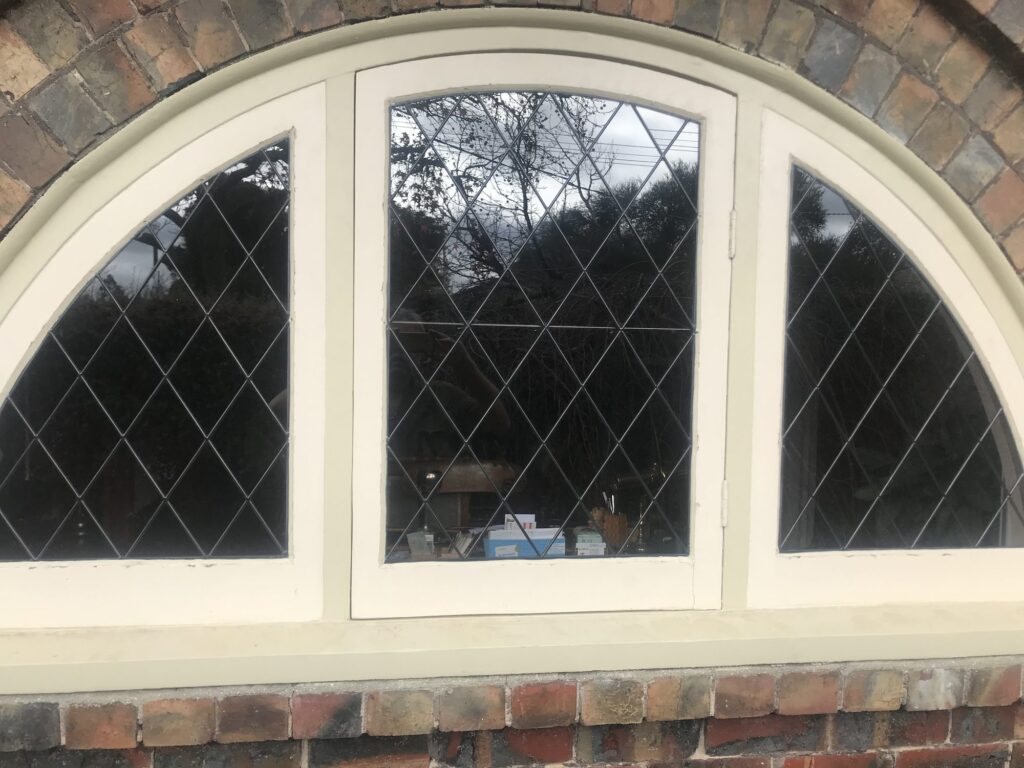
In a triple-glazed leadlight unit, the leadlight panel sits between two layers of clear glass. From inside and outside, you still see the leadlight, with its colour and pattern, but it is protected by the clear glass on either side. The unit is made to suit the frame it is going into.
It is worth being clear about terms. Some people call any leadlight with an extra pane of glass “double glazed”. In a triple-glazed unit there are three layers: clear glass, leadlight, clear glass. That arrangement gives protection on both faces of the leadlight, which is what makes it so useful for doors and exposed windows.
The benefits
Protection for the leadlight
The outer glass shields the leadlight from rain, wind and dirt, and the inner glass protects it from knocks inside the house. That reduces wear on the lead and cement and helps protect valuable original glass.
Insulation
The layers of glass and the air spaces between them improve insulation compared with a single leadlight panel. That helps keep rooms warmer in winter and cooler in summer.
Noise reduction
Triple glazing also reduces outside noise, which can make a real difference in homes on busy roads or near tram and train lines.
Easier cleaning
The outer surfaces are flat clear glass, so they are easy to clean, and the textured surfaces of the leadlight are kept clean inside the unit.
Safety glass
Where safety glass is required under AS 1288, such as in many doors and sidelights, the clear layers of a triple-glazed unit can be made with suitable safety glass. This allows leadlight to be used in locations where it otherwise might not meet the standard.
Triple glazing original leadlight
Triple glazing is not only for new work. Original leadlight can also be triple glazed, which is a good way to protect a valuable period panel while making the room more comfortable. Before triple glazing, the original panel should be in good condition. If the lead has fatigued, we recommend restoring the panel first, so it is sound before it is sealed between the layers of glass.
Triple glazing new leadlight
For new leadlight, triple glazing can be planned from the start. That is particularly worthwhile in new homes and extensions, where builders and designers may be working to energy and safety requirements.
Frames and fitting
A triple-glazed unit is thicker than a single leadlight panel. Depending on the frame, it may fit existing rebates, or the frame may need to be adjusted. In period windows, sashes are sometimes too thin to take a thicker unit, so we look at each window individually and advise you on what is practical. Involving us early in a renovation helps the joinery suit the glazing.
How the work is done
We start by inspecting the window and measuring the opening and frame. If the leadlight is original, we check its condition and recommend restoration first where the lead has fatigued. We then make up the triple-glazed unit to suit the frame, with the leadlight set between the clear layers, and install it. If the leadlight has to come out of the house for a while, we temporarily glaze the opening so your home stays secure and weatherproof.
Is triple glazing right for you?
Triple glazing is worth considering if:
- Your leadlight is on a cold, exposed or noisy side of the house
- You want to protect valuable original glass
- The leadlight is in a door or location where safety glass is required
- You are building or renovating and want leadlight with better insulation
- You find the leadlight hard to keep clean
It may not suit every window. In some heritage settings, the reflections of clear outer glass change the look of the façade, and for some period sashes, the extra thickness is impractical. We will give you honest advice.
Heritage considerations
If your home is in a heritage overlay, check with your council before changing street-facing windows. Triple glazing can be a sympathetic way of keeping original leadlight in place while improving comfort, but approval requirements vary.
Energy ratings
People often ask whether triple glazing will help with an energy rating. Energy ratings for houses are assessed for the whole home, not for one window, so the effect of any single window depends on the overall design. Talk to your energy assessor or building designer about how glazing fits into your plans.
Stained glass and painted glass
Triple glazing also suits stained glass with painted detail, giving it the same protection from weather and handling as leadlight. For valuable windows that have survived for generations, that extra layer of protection can be a sensible investment in keeping them for generations more.
Frequently asked questions
The leadlight panel is sealed between two layers of clear glass, so it is protected while still visible from both sides.
Yes. The layers of glass and air spaces improve insulation compared with a single leadlight panel.
Yes, if the panel is in good condition. If the lead has fatigued, we recommend restoring it first.
Yes. The clear layers can be made with suitable safety glass to meet AS 1288.
Sometimes. Triple-glazed units are thicker, so we assess each frame and advise what is practical.
Related pages
- Leadlight windows and 5 star energy ratings in Melbourne
- Leadlight doors
- New leadlight windows in Melbourne
- Leadlight restorations in Melbourne
- On-site leadlight repairs in Melbourne
- Leadlight and stained glass window reproductions
Ask about triple glazing your leadlight
For triple glazing of leadlight and stained glass windows, call Verity Leadlights on 03 9853 8611 or 0418 395 628, or visit our studio at 82 Derby Street, Kew VIC. We have worked with leadlight since 1979 and are highly rated by our customers. Please ring before visiting, as we are often out on site.


